
Beginner Tips for Composting at Home: A Simple Guide
Composting is a great way to reduce household waste and create nutrient-rich soil for your garden. If you’re new to composting, don’t worry—it’s easier than it sounds. This guide will walk you through beginner-friendly tips to help you get started composting at home.
What is Composting?
Composting is a natural process where organic material like food scraps and yard waste breaks down into rich soil called humus. This humus improves soil health, helps plants grow, and reduces the need for chemical fertilizers.
Why Start Composting at Home?
– Reduce waste: About 30% of household waste is compostable. Composting keeps this material out of landfills.
– Save money: Use homemade compost instead of buying soil amendments.
– Help the environment: Composting lowers methane emissions from trash and enriches your garden soil.
Getting Started: What You’ll Need
Before you begin, gather the basics:
– Compost bin: You can use a store-bought compost bin or make your own from wood pallets or a plastic container with holes.
– A good location: Choose a dry, shaded spot with good airflow.
– Compost materials: Collect kitchen scraps and yard waste.
Compost Ingredients: What to Add
Your compost needs a balance of “greens” and “browns”:
Greens (Nitrogen-Rich)
– Fruit and vegetable scraps
– Coffee grounds and tea bags
– Fresh grass clippings
– Plant trimmings
Browns (Carbon-Rich)
– Dry leaves
– Straw or hay
– Shredded paper or cardboard
– Small branches or twigs
Tip: Aim for about 3 parts browns to 1 part greens. Too many greens can make your compost smelly, while too many browns slow down decomposition.
What Not to Compost
Avoid adding these items:
– Meat, dairy, or oily foods (attract pests)
– Diseased plants or invasive weeds (spread problems)
– Pet waste (may contain harmful microbes)
– Processed foods and synthetic materials
How to Build Your Compost Pile
- Start with a layer of coarse browns like twigs to help airflow.
- Alternate layers of greens and browns.
- Chop or shred larger materials to speed up decomposition.
- Keep the pile moist, like a wrung-out sponge.
- Turn or mix the compost every 1–2 weeks to aerate it.
Maintaining Your Compost
– Check moisture: If it’s too dry, add water. Too wet? Add more browns.
– Add new materials regularly: Try to add kitchen scraps and yard waste as you produce them.
– Be patient: Compost can take 2–6 months to mature depending on conditions.
Troubleshooting Common Compost Problems
– Bad odor: Probably too wet or too many greens. Add dry browns and turn the pile more often.
– Pile not heating up: Add fresh greens and turn the pile. Make sure it’s large enough (at least 3×3 feet).
– Pests: Avoid meat and oily foods. Use a closed bin or cover food scraps with browns.
Using Your Finished Compost
Finished compost looks dark, crumbly, and smells earthy. Use it to:
– Mix into garden beds to enrich soil
– Top-dress lawns to improve grass growth
– Pot plants as a soil amendment
– Mulch around trees and shrubs
Helpful Tools and Resources
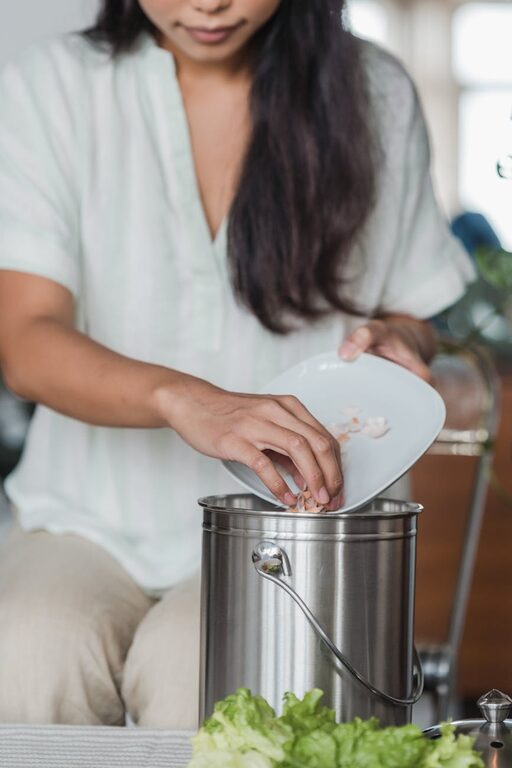
– Kitchen compost caddies or buckets to collect scraps
– Compost thermometers to monitor pile heat
– Local garden centers or extension offices for advice
– Online composting communities and guides
Final Thoughts
Starting a compost pile at home is a rewarding project with big benefits for your garden and the environment. By following these beginner tips, you can turn everyday waste into a valuable resource. Remember, composting is a learning process, so experiment, observe, and enjoy the journey toward greener living!
—
Feel free to share your composting experiences or ask questions in the comments below!
